Business Tax Accountant San Antonio AlternativeThree piles, not one job
The folder in your hand may be the city return, the franchise report, or the federal return. Owners in San Antonio often treat those as one spring errand. They are three jobs.
Sort the filings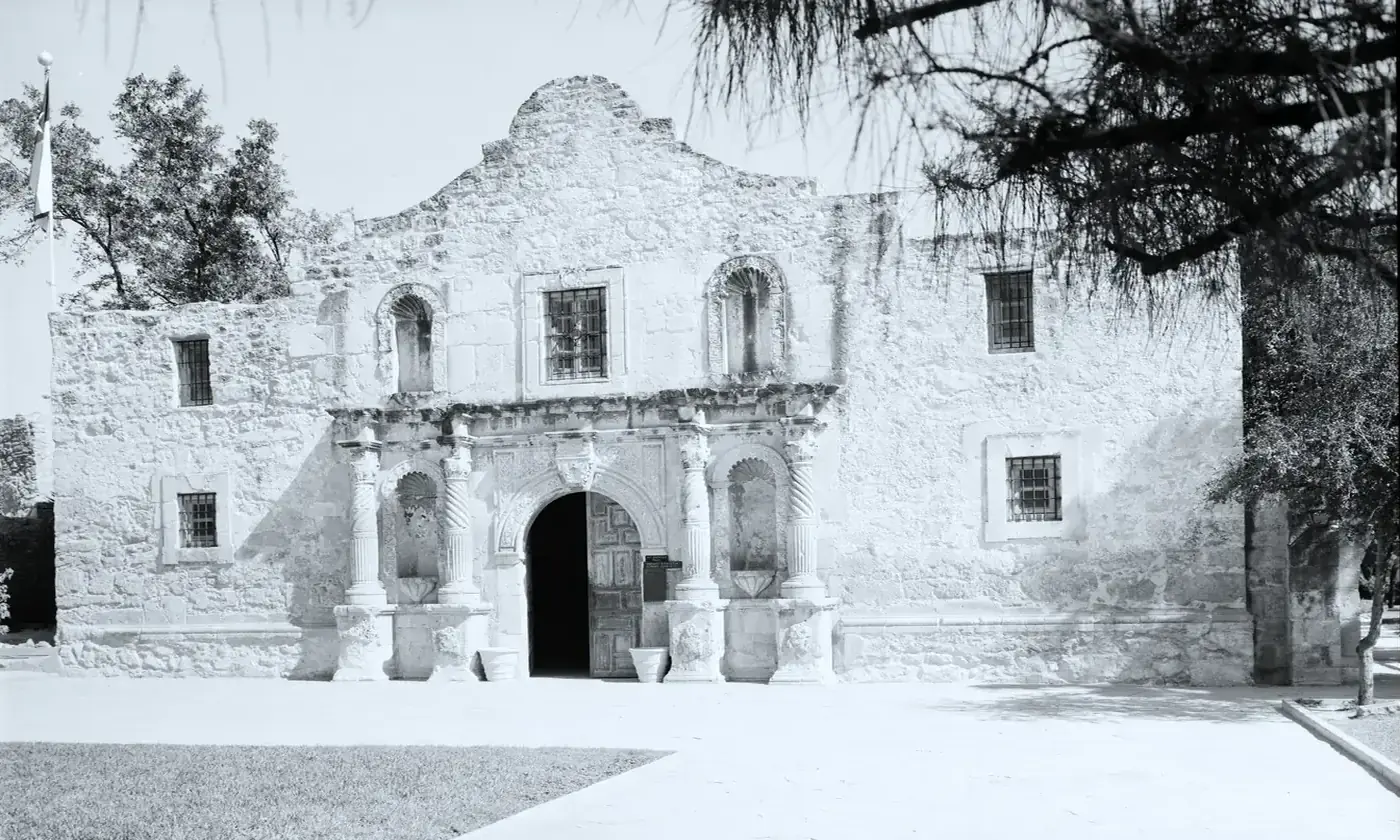
What that spring folder is often holding.
The Alamo is one building, and every Texan can tell a visitor which door they mean. A spring folder is not that kind of landmark. Owners say the filing and then discover they are talking about three different agencies, three different dates, and one set of books that may not be closed.
We sort the pile before we talk about a number. If the pages are sales tax, the conversation is the monthly return and the 20th. If they are the franchise report, the conversation is May and the margin. If they are the federal return, the conversation waits until those other pages exist. Mixing them into one errand is how a clean question becomes a long one.
Come without the agency names. The pile itself tells us which filing is in your hand. Bring that pile. We will say which one it is, which one it is waiting on, and whether the month underneath it is closed.
The city return is a rhythm, not a spring project.
Sales tax in this city is due on the 20th of the following month for the standard filer. January's activity is a February 20 conversation. A loud month on the river does not move that date. We close the month, then the return is prepared from the closed figures.
Collected tax is not revenue. It sits in the books as something owed. When the deposit and the return disagree, the month is not finished, and we do not paper over it with a federal extension. Extensions do not close a month. They only move a different deadline.
If a provider files the sales tax return for you, that provider should be working from the same closed month we are. Two versions of January is a worse problem than a late afternoon.
The franchise report is a Texas page, and it is not the federal return.
The May filing computes margin. Revenue, the compensation or cost-of-goods route, and the rate for the year being filed all have to come from a year that has been closed. Retail and wholesale are not taxed on margin at the same rate as other businesses. Pretending they are is a quiet error that shows up when the two returns are finally set side by side.
We prepare that page before we open the federal return. The numbers should already agree. If they do not, the repair happens in the books, not in a footnote on the federal form.
The federal return is the last page, on purpose.
Once the city rhythm is current and the May page exists, the federal return has something honest to stand on. Depreciation, owner pay, and the estimates you already paid all read better from a closed year. Starting there, and hoping the Texas pages will catch up, reverses the only order that keeps the year in one piece.
A hypothetical, with the amounts left off. An owner files the federal return in March because the software was open, then discovers in May that the franchise margin does not match the revenue on that return. The sketch is not someone we know. The shape is the warning. The amounts would be yours, so they stay off.
If you are holding one of the three and you are not sure which, that is the right note to send. The call is a conversation. It is not yet an engagement.
A fourth pile hides in payroll reports.
Owners name the three tax filings and forget the reports the payroll provider already produced. Those reports are not a fifth return. They are the evidence that wages, withholdings, and deposits happened. When the books never received them, every later page is arguing with a year the provider already closed on their side.
We ask for the provider's quarterly packet before we believe a wage line. Setup means the accounts exist, the deposits have a home, and next month will not open a new gap. We still do not run payday. The person who already runs it keeps running it.
A notice that quotes a form number belongs with the pile that form belongs to. Bring the number if you have it and skip the guess. We would rather spend the call on the right agency than on a category that felt close.
Which pages are in the folder
Name the form if you know it. If you do not, say so.

You will be talking to the Steven Palmieri practice.