Business Tax Accountant San Antonio Alternative8.25 is a ceiling made of pieces
People say 8.25 and stop. Someone still has to split that figure into the agencies that published it for a sale in San Antonio.
Split the rate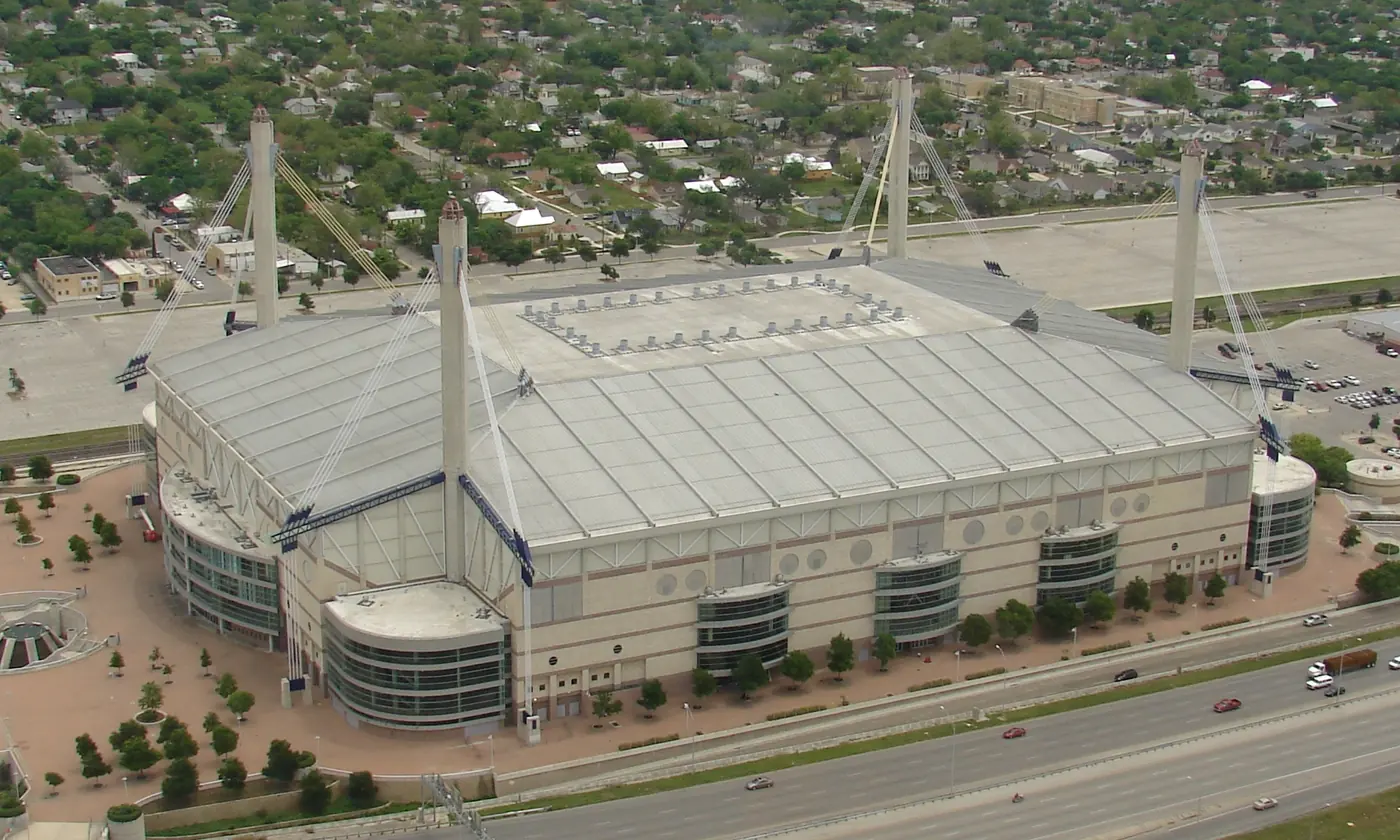
Pieces inside the rate people quote for a sale in the city.
The Alamodome sits inside the city, so a sale there follows the city stack and not an emergency services district stack. The building is a landmark. The rate is a list. Memorizing the building does not memorize the list.
Read a city sale as slices that stop when they reach the cap. The state piece of a city sale is the 6.25 percent the Comptroller publishes, and it is the first slice in that 8.25. What the city itself adds is 1.125 percent, filed under local code 2015012, and inside that 1.125 sit one point of general city tax plus 0.125 for Pre-K 4 SA. VIA's half point is local code 3015995. The district slice, 0.375 percent since the first day of 2026, is local code 3015664. Add those slices and you are at 8.25, which is the cap.
Say the pieces out loud once and the cap stops being a slogan. 6.25 plus 1.125 plus 0.5 plus 0.375 is 8.25. If a register, a website, or an old note still uses 0.25 for the district piece, it is describing the rate from before 1 January 2026.
What the cap does not include.
It does not include the city property tax of 56.288 cents per 100 dollars for fiscal year 2027. It does not include a school district rate. San Antonio ISD's 2025 total of 1.1552 per 100 dollars of taxable value is property tax, published in the Comptroller's school workbook, and adding it to a receipt is a category error.
It does not follow a sale into unincorporated Bexar. There the city piece is gone, the county still adds no sales tax, and an emergency services district may add 1.5 percent, or 0.25 percent in ESD 9-A. A delivery policy that taxes every Texas ship-to at 8.25 will be wrong on those addresses and right on the dome. Right-and-wrong in the same file is the version we separate in the close.
Hotel occupancy is a different tax again and this page does not pretend to be the hotel stack. If that is the notice in your hand, say so. We will not answer it with a sales tax paragraph.
How the pieces show up in the books.
Collected sales tax is a liability. The close should show the liability by the piece when the volume justifies it, and at least by the return that will report it. A single blended bucket feels simpler until a rate change arrives, which is exactly what January 2026 was.
Four lines you can trust beat one blended number you have to hope about. Sales tax returns we prepare are built from those lines. A line that disagrees with the deposit keeps the month open.
A receipt is a list, even when the printer shows one number.
The register may print 8.25 and nothing else. The books should still be able to say how that 8.25 was built for a sale inside the city, and to refuse that build for a sale that is not. A customer does not need the lecture. You do, on the day a rate changes or a job crosses Loop 1604.
Pre-K 4 SA hides inside the city 1.125, so it is the slice a busy close drops first. VIA and the transportation district both sound like a ride across town, and they are not the same line on the return. Keeping 2015012, 3015995, and 3015664 in separate columns is how this practice stops that mix-up.
If your software has one tax code named after the city and another named after a district, the close should prove which invoices used which code. A code that nobody has reviewed since the table was first built is a rumor with a button.
The pieces and the codes are the Comptroller's, published on the sales tax pages.
What rate do you charge
Inside the city, outside it, or a mix.

You will be talking to the Steven Palmieri practice.